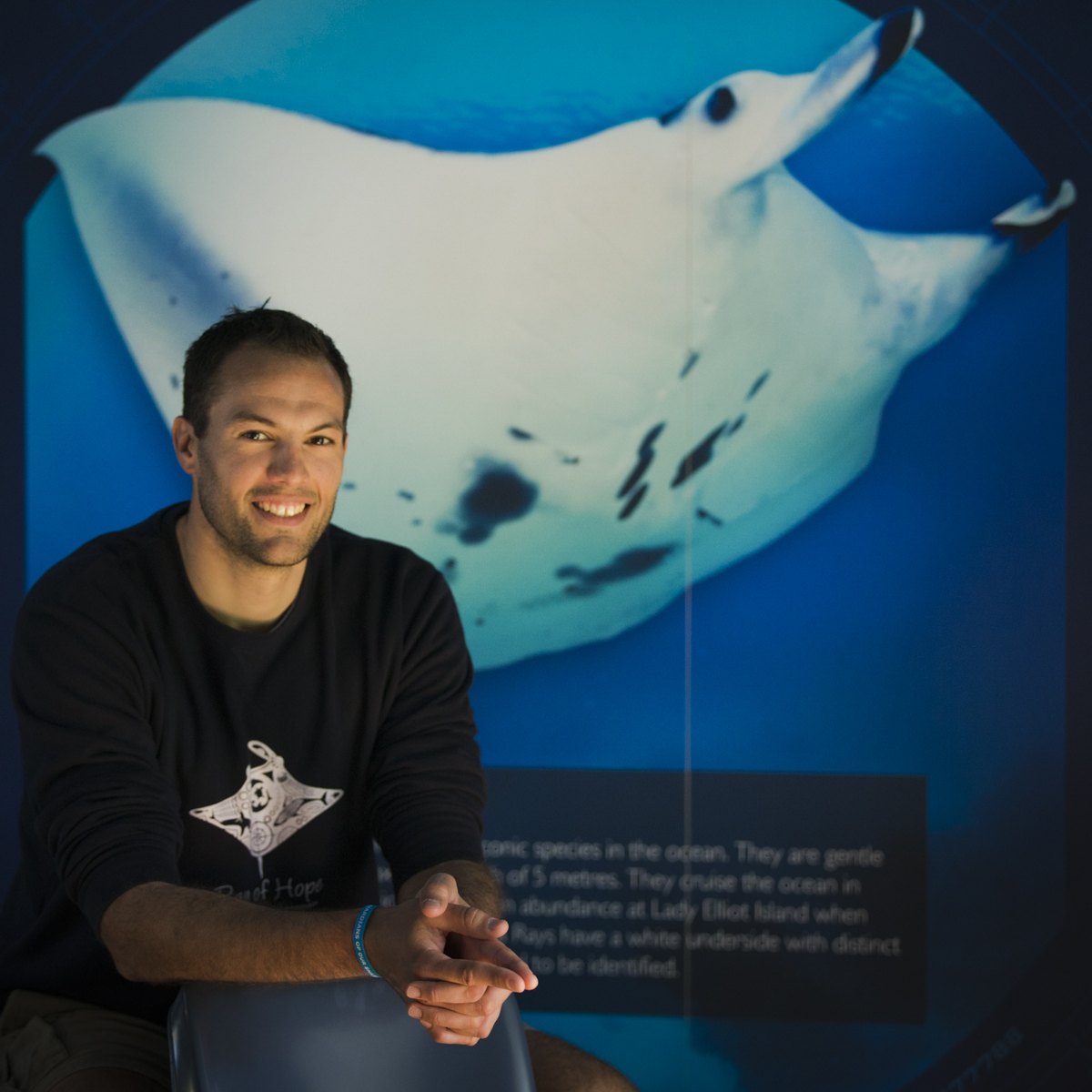
I am a marine ecologist, award-winning underwater photographer and data scientist with a lifelong fascination for the ocean and the natural world. Much of my career has been devoted to understanding, protecting and sharing the beauty of our planet and its wildlife, and to the sustainable management of marine resources. I have led research into how marine animals use their habitats, contributed to high-profile documentaries and key scientific work on threatened and recreationally important species, guided wildlife experiences in some of the world’s most biodiverse seas, and given acclaimed public lectures on marine research and conservation across Australia and the Pacific.
For collaborations, commissions, prints or image licensing, please get in touch through my contact page. You can also find me on Instagram and LinkedIn.
Marine science
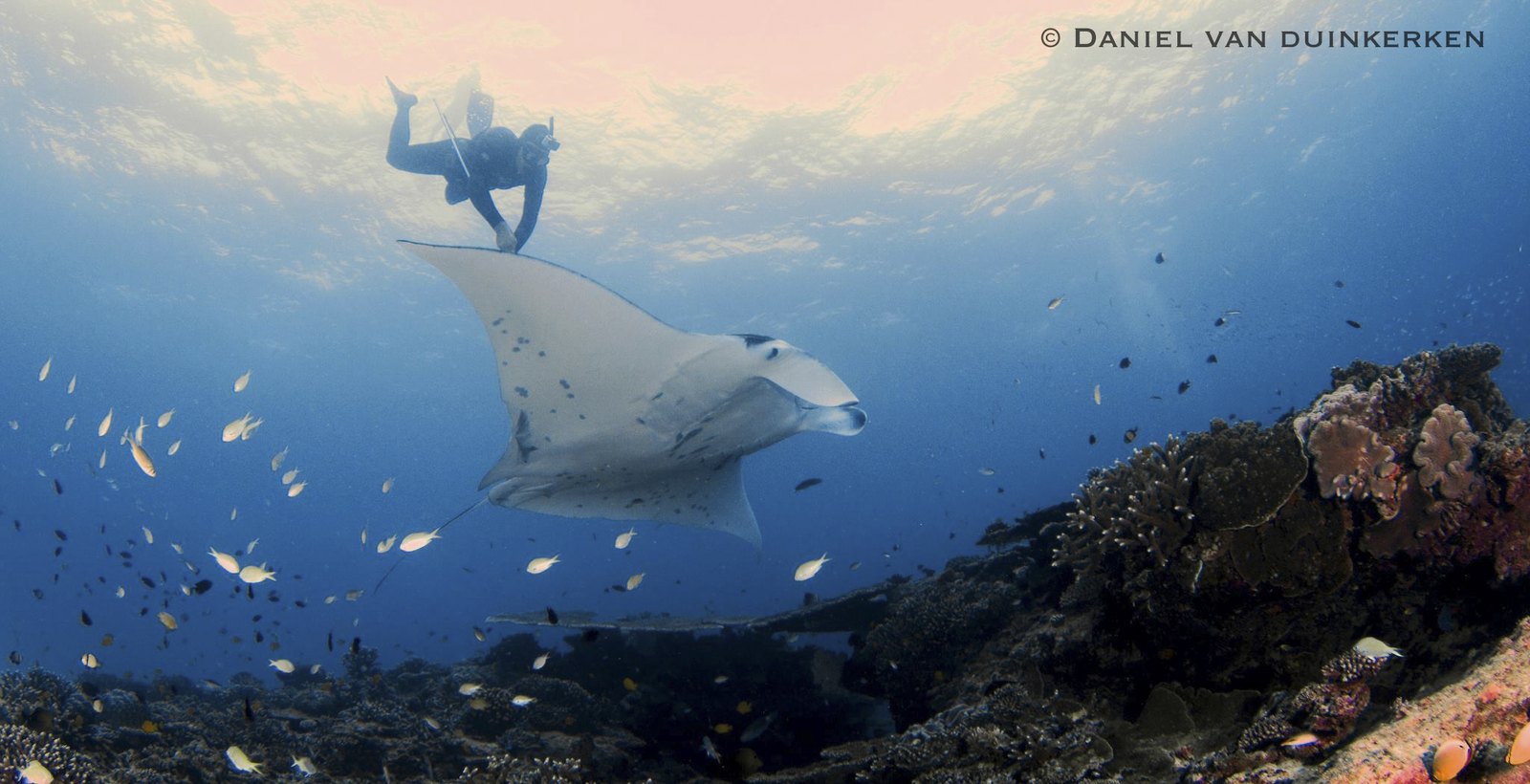
My scientific expertise centres on using state-of-the-art technology and analytical methods to reveal hidden aspects of the lives of marine vertebrate animals such as sharks, rays and gamefish, including their spatial habitat use, affinity to certain environmental conditions, individual behavioural plasticity and population connectivity. My work is multidisciplinary by design, drawing on animal tracking, oceanography, fisheries science, data science, wildlife tourism and citizen science to support the sustainable management of marine ecosystems in the face of climate change, human disturbance and unsustainable fishing.
I have led pioneering research on manta rays since the late 2000s, co-led global efforts to set research and conservation priorities for manta and devil rays, and helped researchers establish robust monitoring programs across southeastern Africa, Southeast Asia and the Pacific. I have also developed research programs on gamefish and elasmobranch ecology to fill management gaps.
More recently, I have transitioned to ocean observing and delivering open marine data to the research community. I am currently the Principal Science Officer for Australia’s Integrated Marine Observing System (IMOS, www.imos.org.au), a national collaborative research infrastructure based at the University of Tasmania and enabled by the Australian Government to produce sustained marine observations underpinning research advances, natural resource management, industry operations and environmental policy.
Photography
© Jasmine Carey
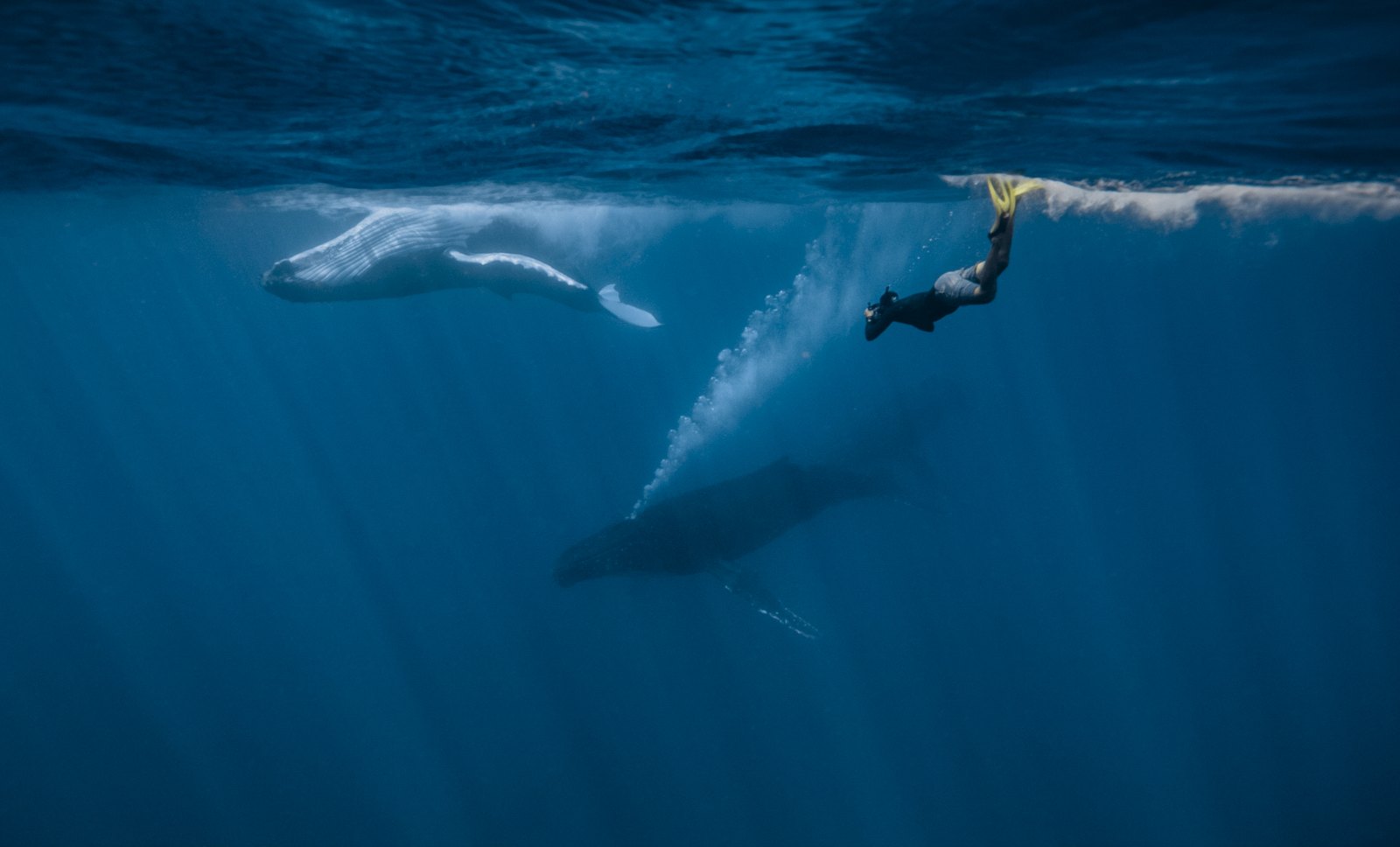
I have been fortunate to experience breathless underwater encounters with charismatic, elusive and endangered wildlife in some of the most pristine and biodiverse seas on the planet. I was instantly compelled to capture the beauty of these experiences and share them with the world, in the hope of inspiring awe for the natural world and environmental stewardship. What began as a hobby became a calling when I won my first international competition in 2014 and realised that passionate imagery, grounded in first-hand scientific knowledge, could reach audiences that research papers never would.
I have produced imagery for leading tourism bodies across Australia, worked with major photography brands, seen my images projected onto Commonwealth Heritage-listed buildings, been published in world-renowned outlets such as National Geographic, Australian Geographic, Ocean Geographic and BBC Wildlife Magazine, and been awarded in multiple international photography competitions.
Data science: a bridge between two worlds
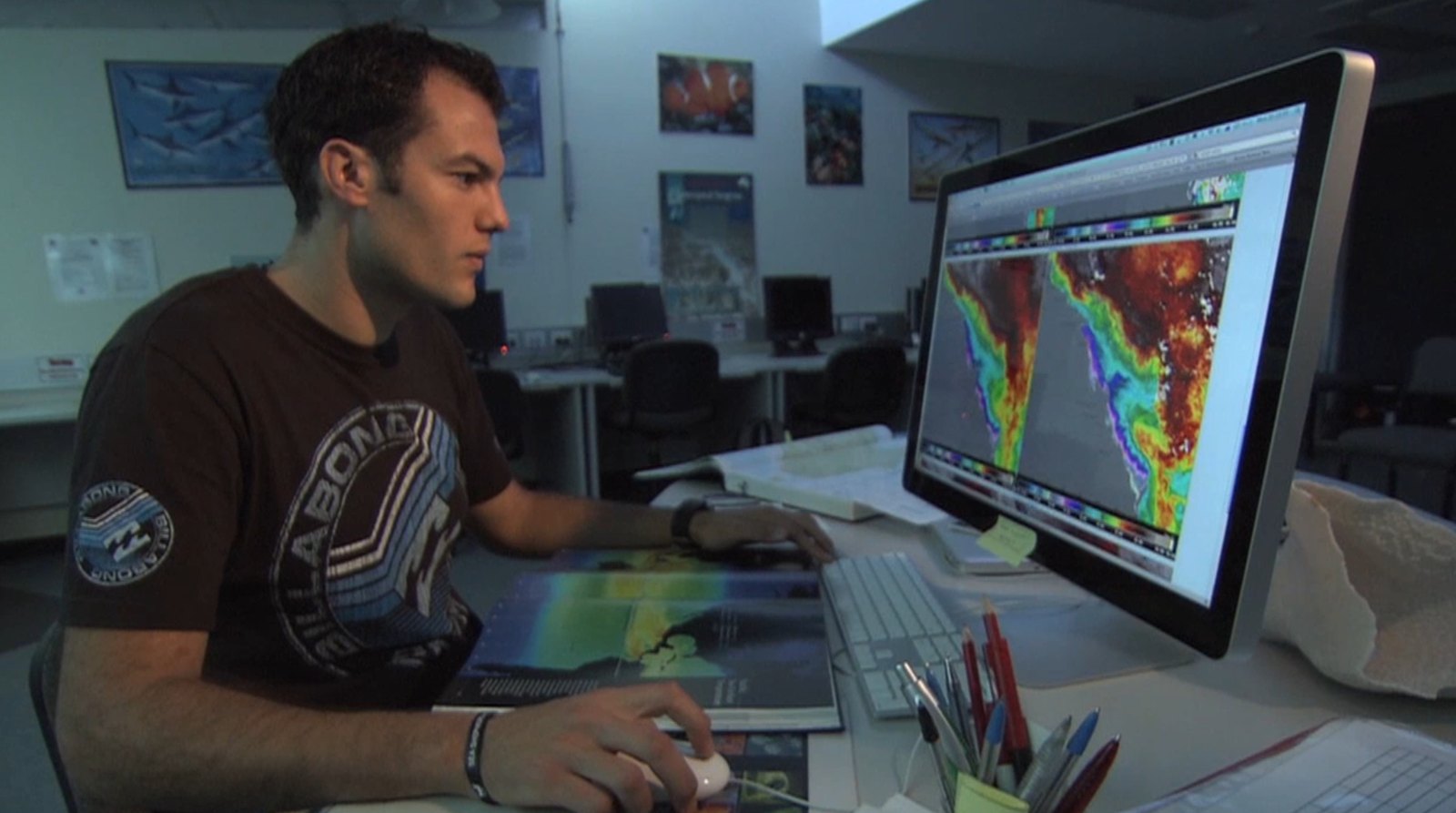
Through my scientific journey, I have developed advanced data science skills: managing and curating national and international research databases, leading the development of open-source analytical tools for the research community such as remora, and modelling complex ecological datasets.
Over the years, I have come to appreciate data visualisation and the power it has to convey complex scientific stories effectively. My data art practice grew from the same philosophy: to share with the world important stories about the natural world, grounded in robust scientific evidence, and rendered into compelling visuals so that people can understand, care and act.